UX Design & Research
IKEA Teardown & Journey Maps
A user journey mapping project that visualizes the end-to-end IKEA shopping experience, identifying key touchpoints, pain points, and opportunities to improve usability, emotional engagement, and decision-making.
Year :
2025
Industry :
Home & Furniture
Client :
IKEA - Academic Research
Project Duration :
3 weeks
Problem Statement :
IKEA customers often struggle to move seamlessly between online planning and in store shopping. While users research products digitally they face friction when translating that information into physical store experiences leading to confusion inefficiency and frustration during their visit.
Many users feel overwhelmed by the scale and complexity of the IKEA store layout product options and self serve processes. Limited real time guidance unclear navigation and information gaps reduce confidence increase decision fatigue and negatively impact the overall shopping experience.
Research Methodology :
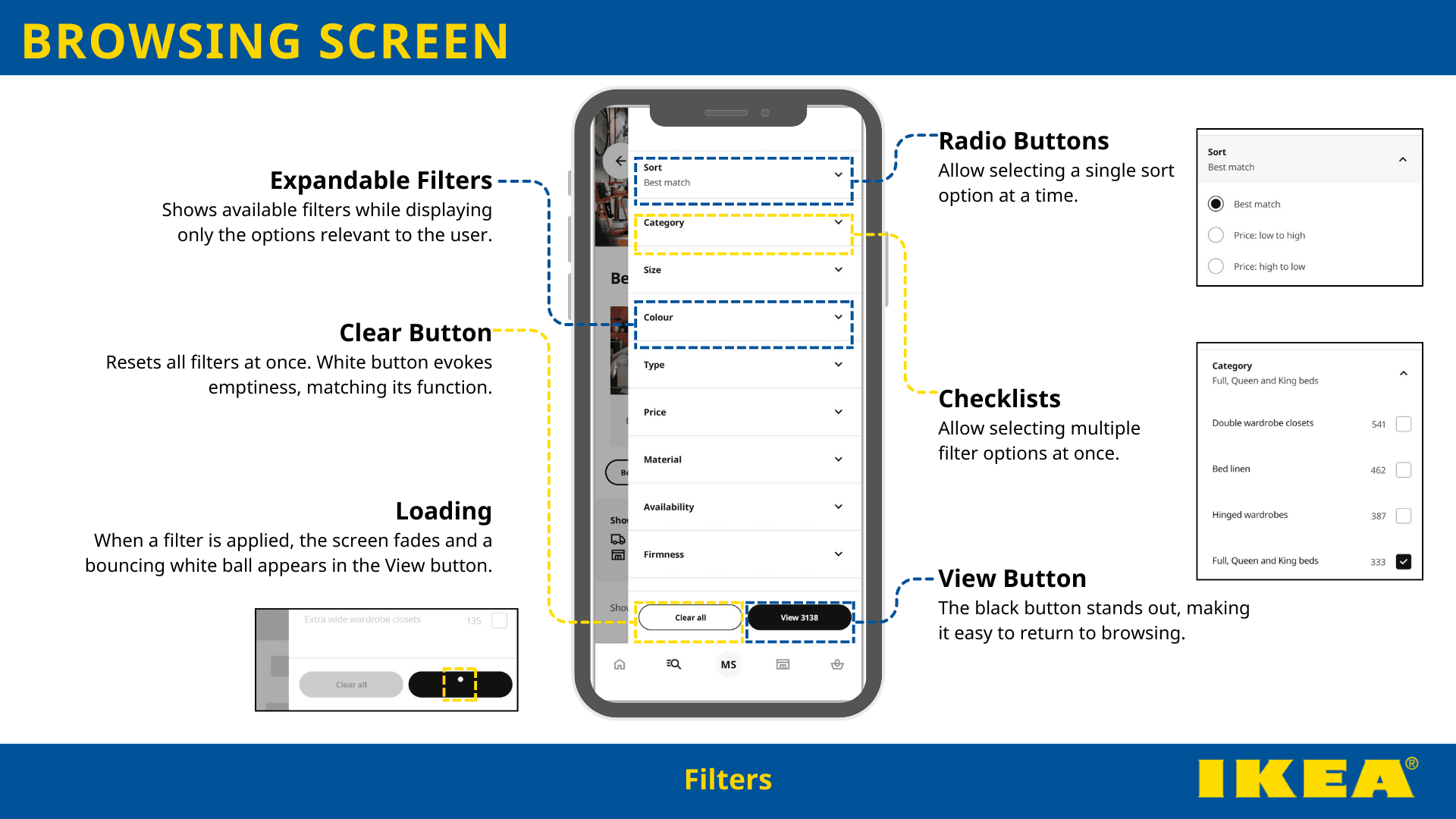
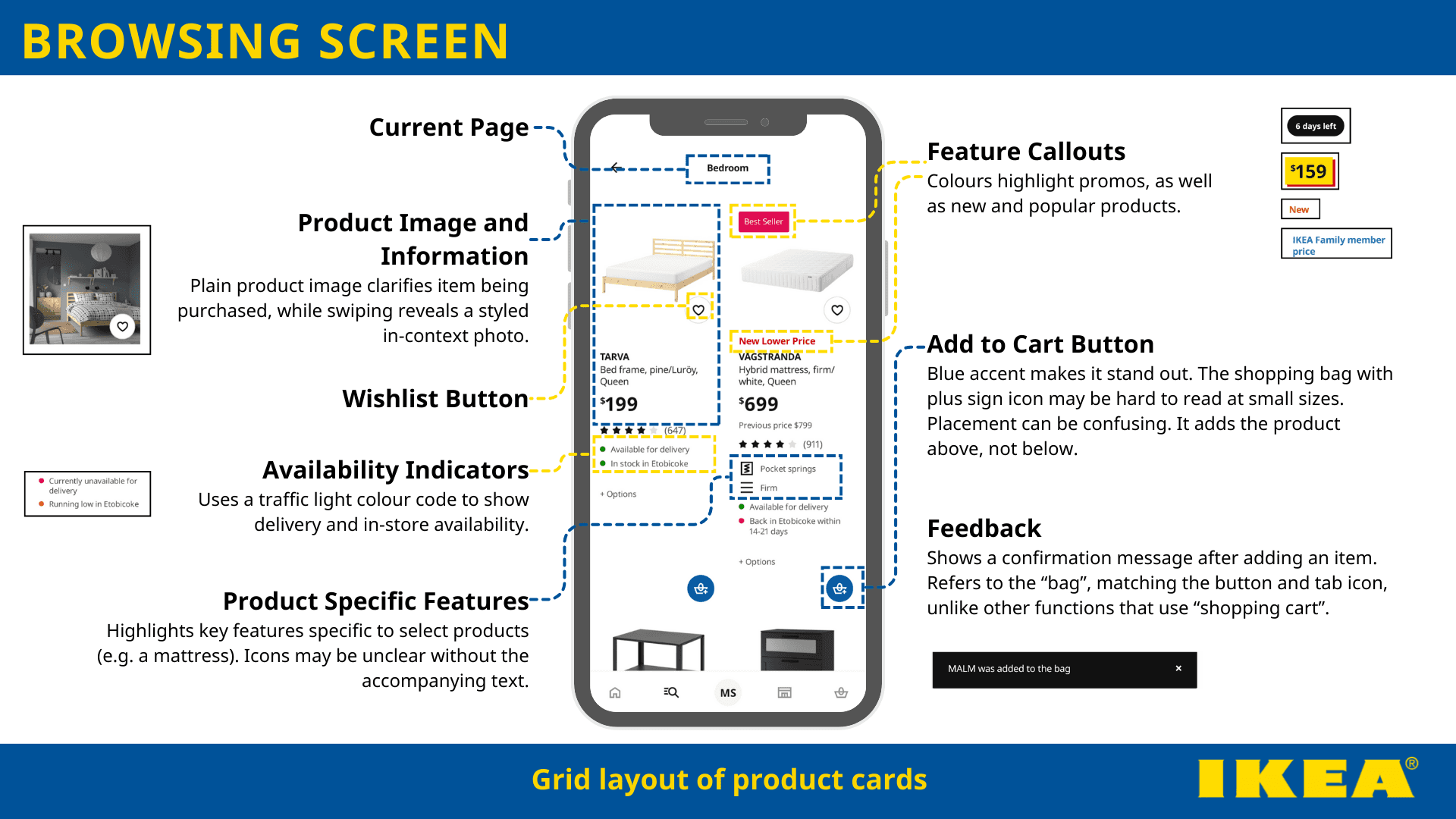
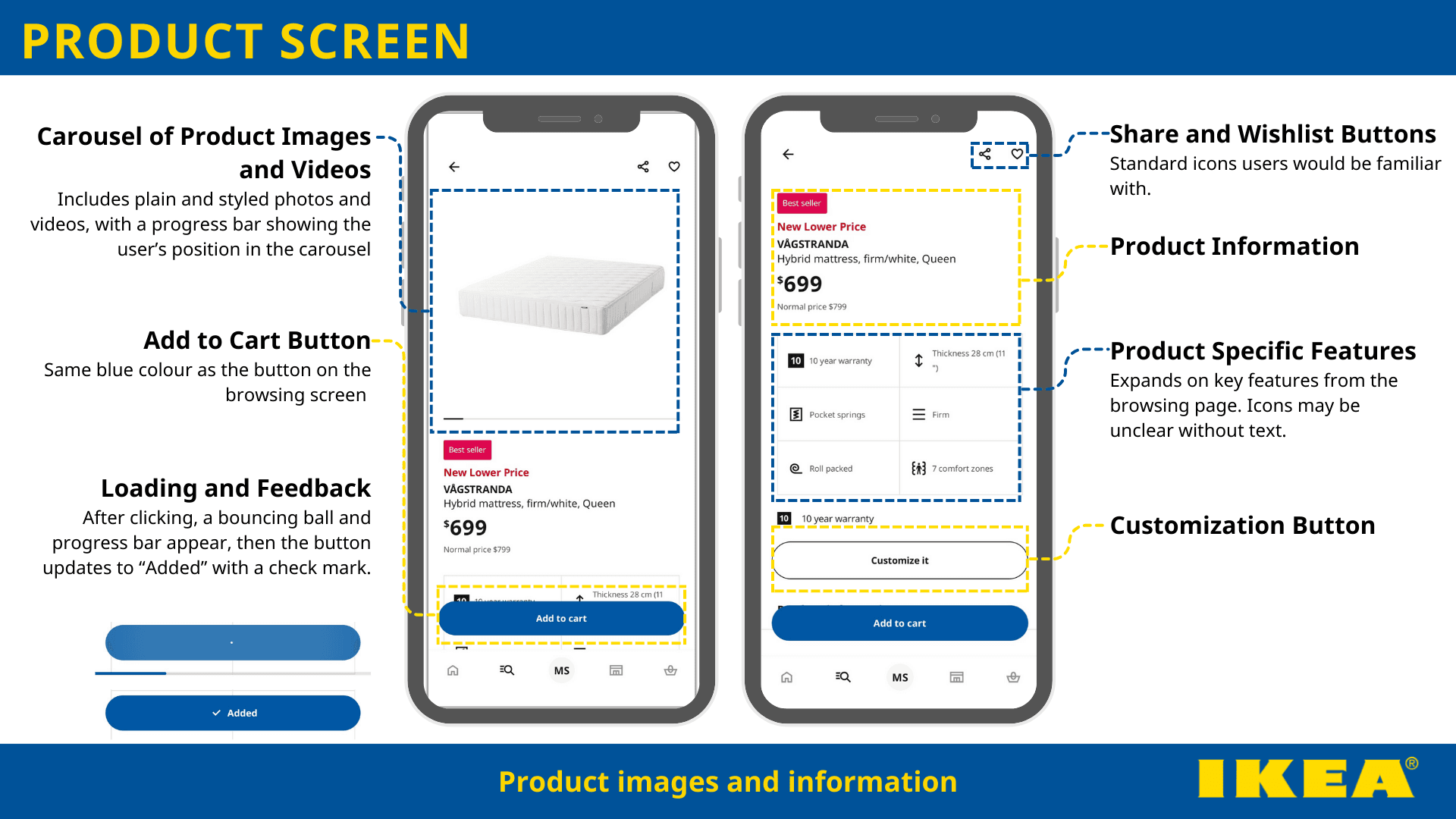
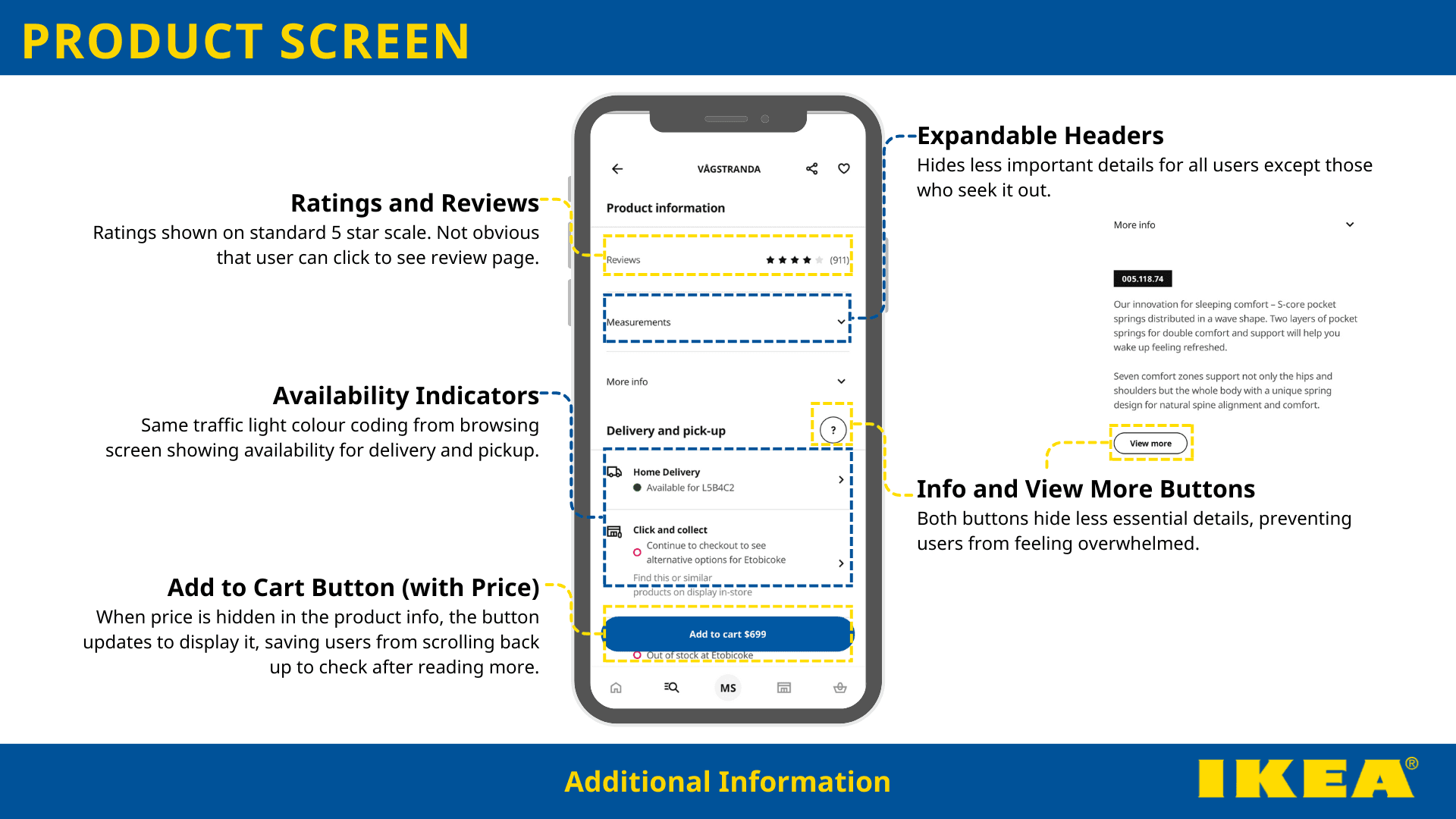
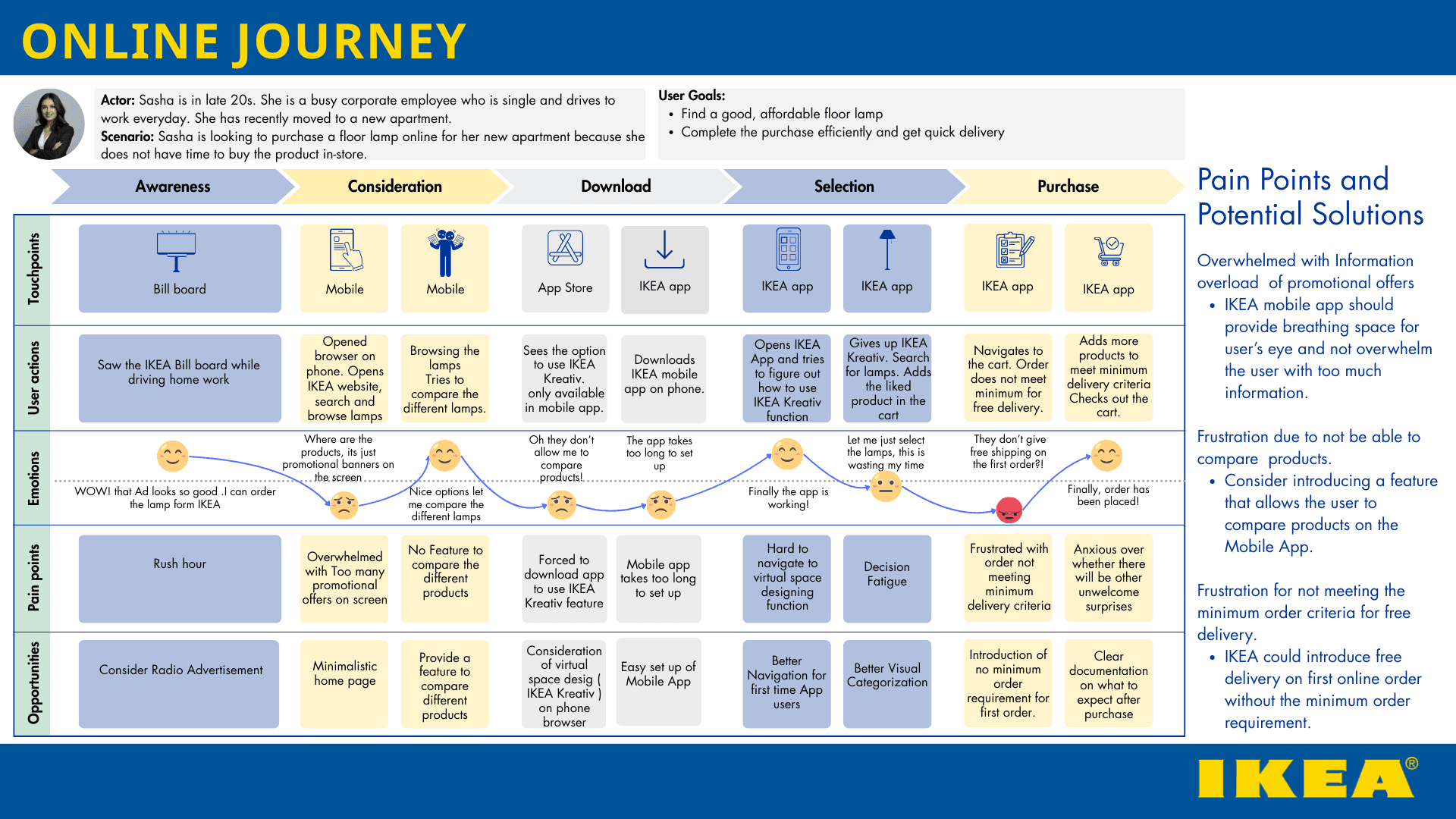
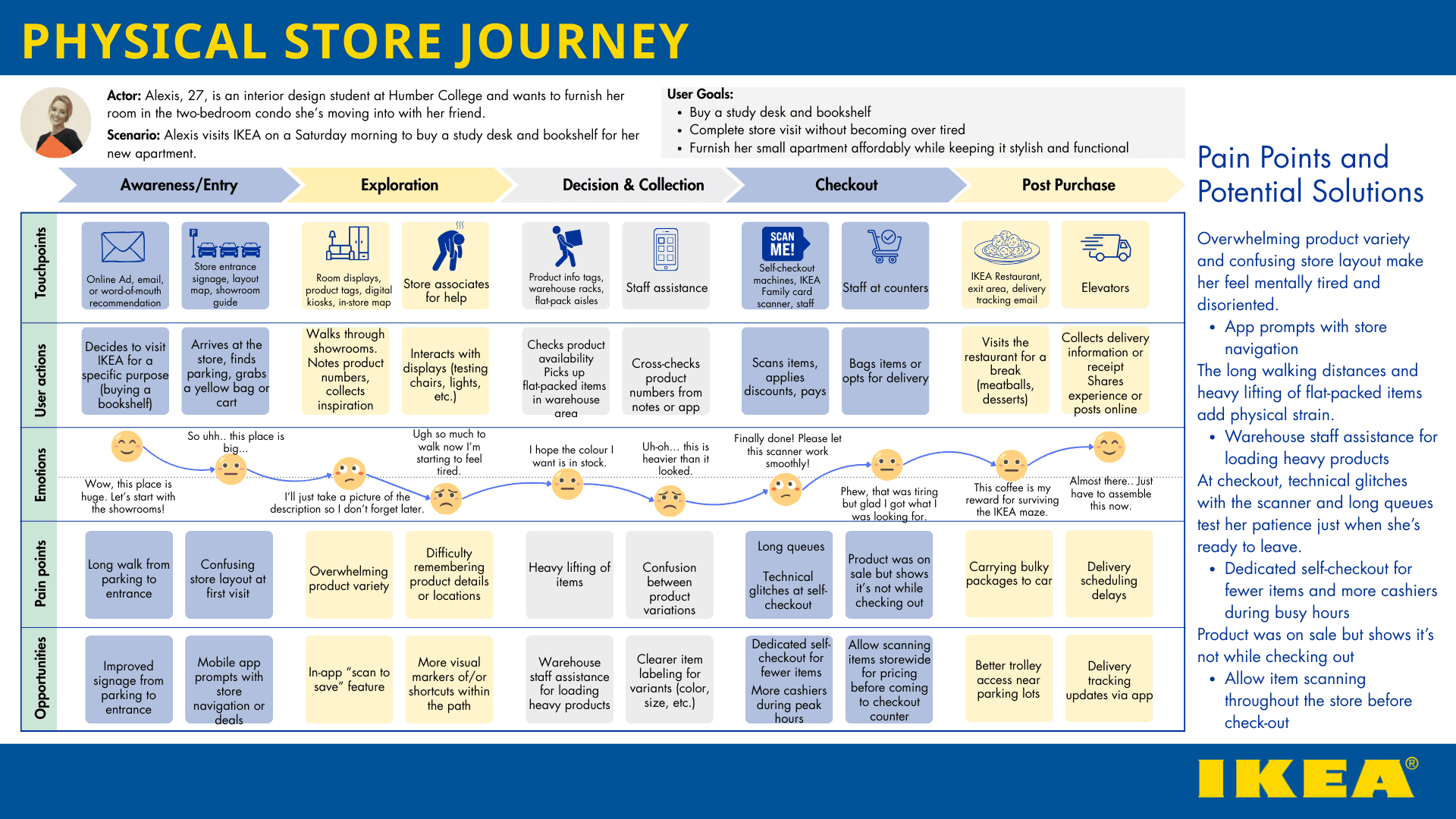
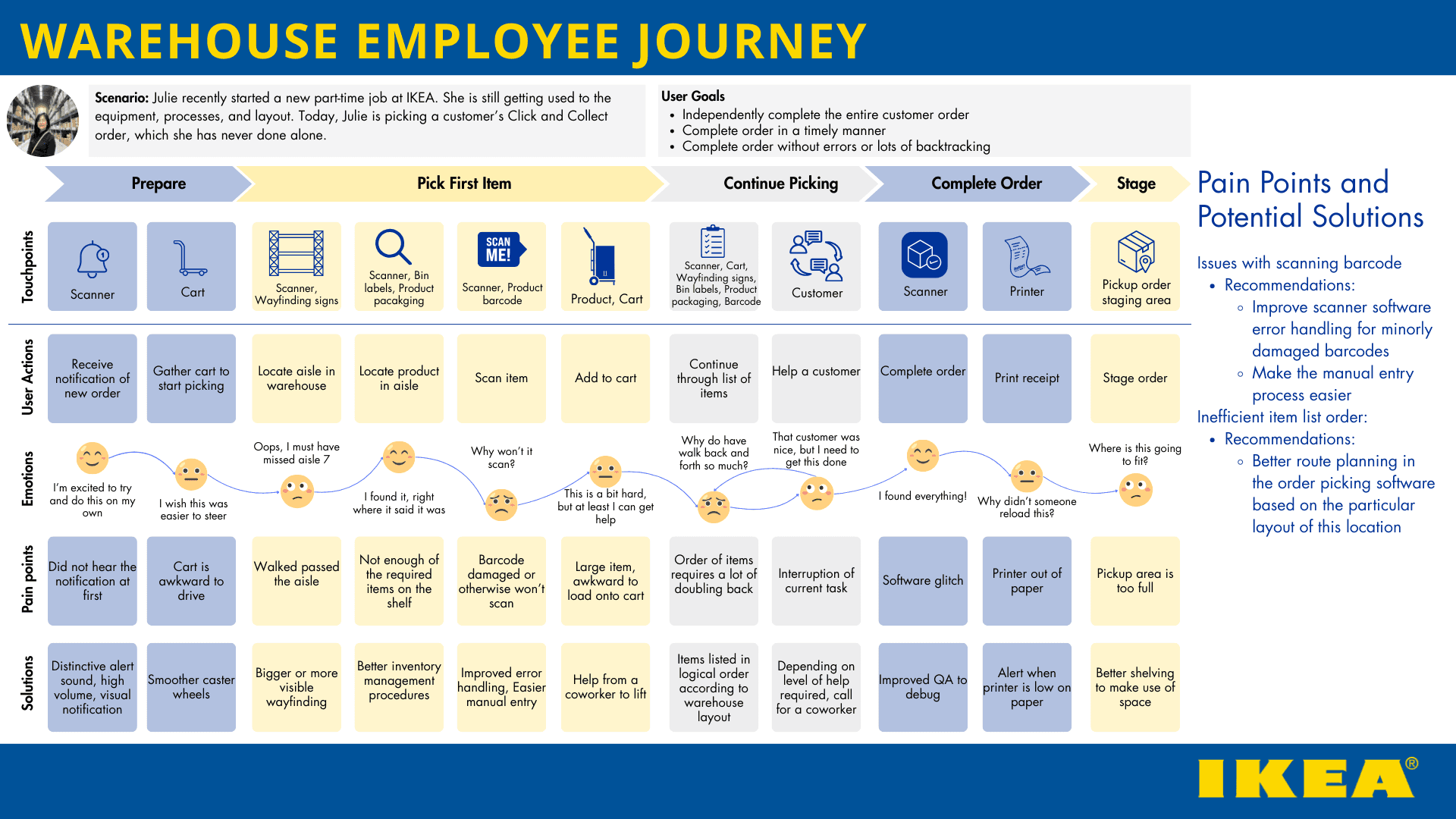
The objective of this user research was to understand how customers plan, navigate and complete their IKEA shopping journey and to identify pain points affecting clarity efficiency and confidence across touchpoints. The research focused on pre visit planning behaviors in store navigation product discovery decision making and post purchase reflection.
Using qualitative methods such as user interviews journey mapping observational insights and pattern analysis the study examined the end-to-end IKEA experience from initial inspiration and online research to in store navigation checkout and post purchase assembly. This approach helped uncover emotional and functional friction points throughout the journey. Insights from this research informed opportunities to improve digital and physical integration wayfinding support information accessibility and overall user confidence.
Research Findings & Recommendations :
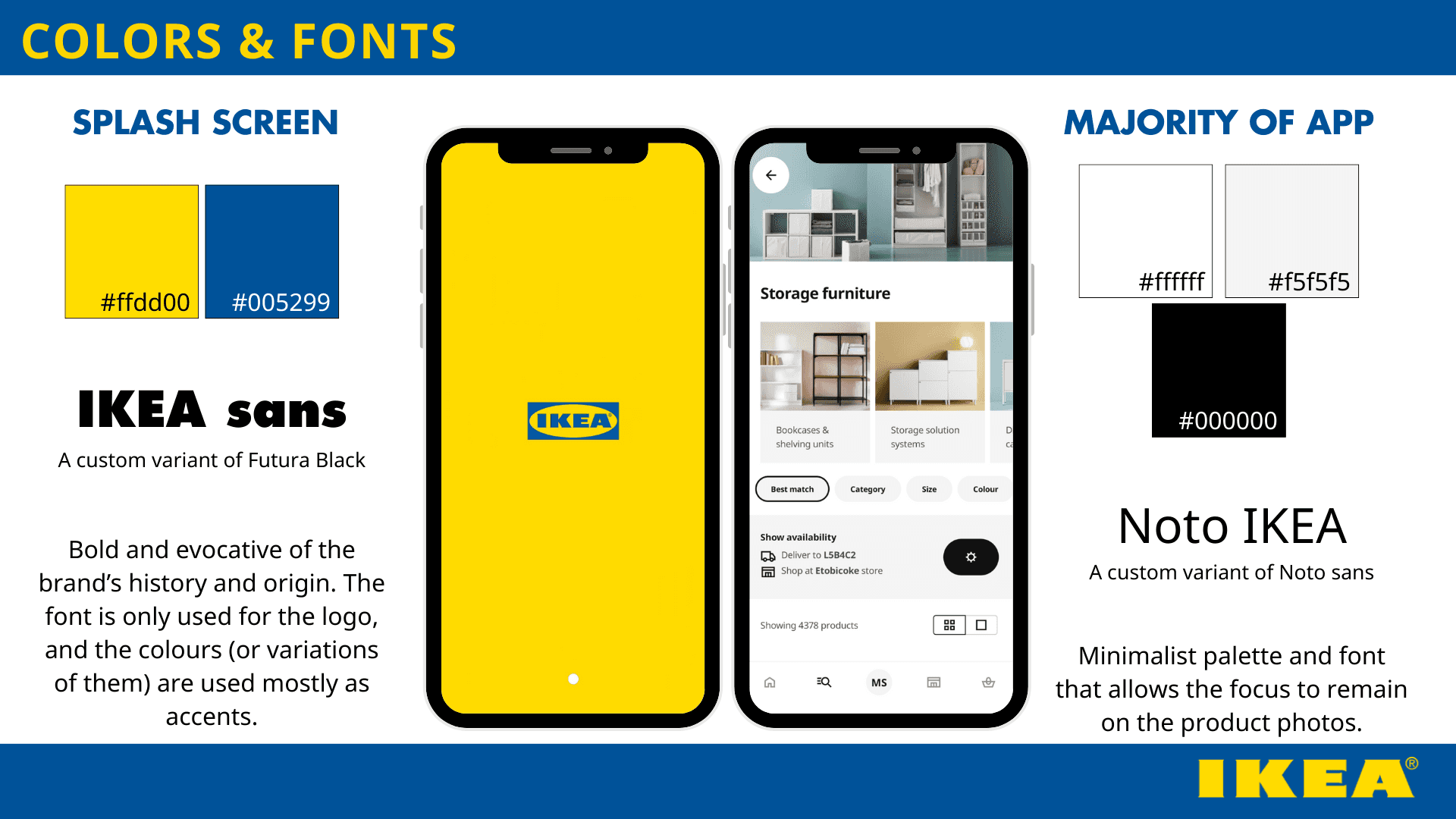
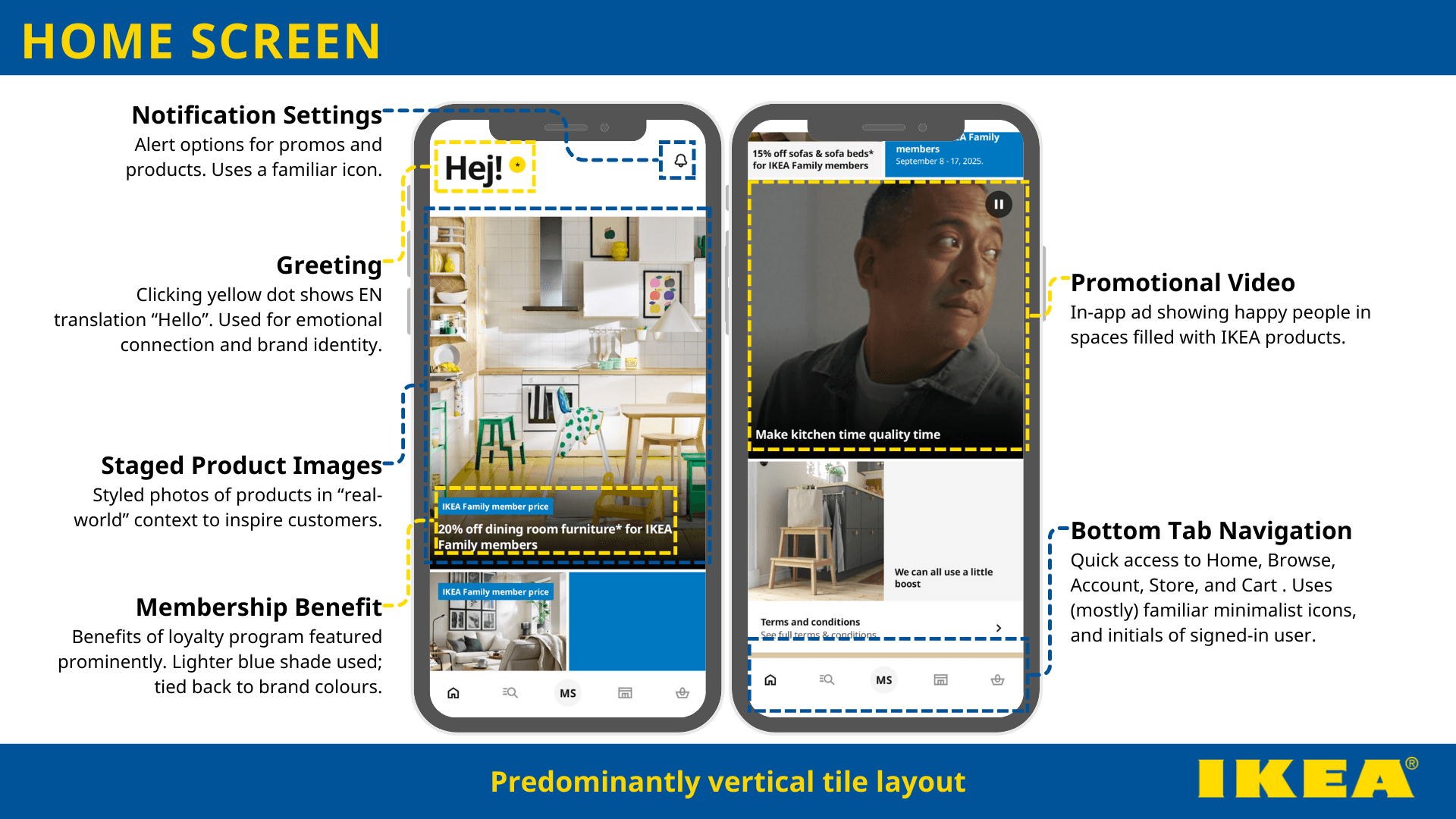
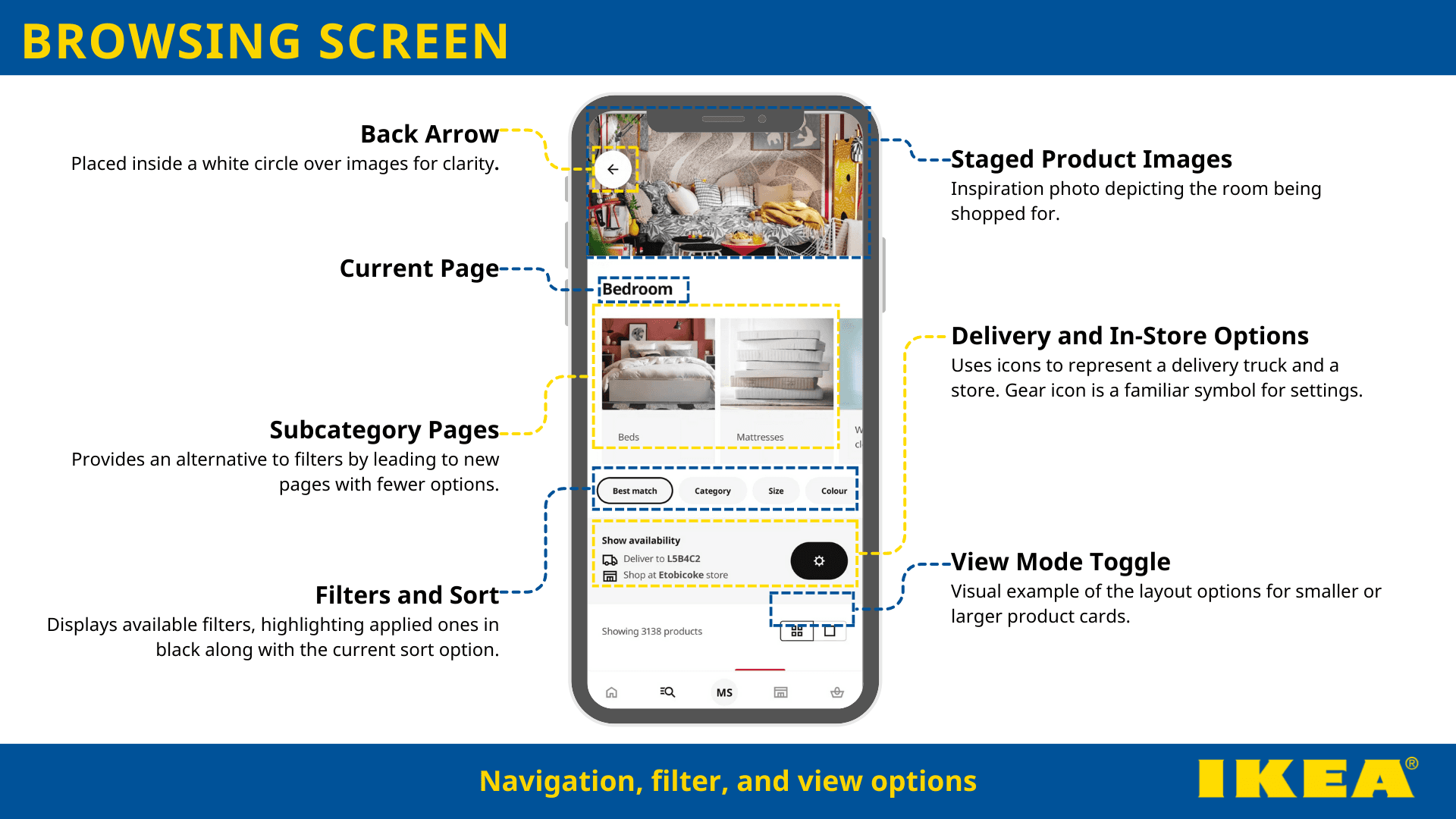
The research findings highlight significant friction in the IKEA customer journey particularly around navigation information, clarity and the transition between digital and physical touchpoints. Most participants reported feeling overwhelmed during in store navigation with some expressing difficulty locating products efficiently despite prior online research. Over half of users noted that product information available online was not easily accessible or consistent once inside the store leading to repeated decision making and frustration.
Additionally some of the participants reported experiencing decision fatigue due to the scale of options and lack of contextual guidance during their visit. These findings point to opportunities focused on improving clarity confidence and continuity across the IKEA experience.
Key opportunities include:
• Enhance digital to store continuity by strengthening integration between online planning tools and in store navigation to help users easily locate products they researched beforehand
• Improve in store wayfinding and guidance by introducing clearer navigation cues real time location support and contextual assistance
• Provide accessible product information at key touchpoints by ensuring pricing, availability, dimensions and assembly details are easy to find in store
• Support decision making during product comparison by offering tools or visual cues that help users compare options quickly and confidently
• Reduce friction in self serve and checkout processes by streamlining instructions and guidance during product pickup and checkout
More Projects


UX Design & Research
IKEA Teardown & Journey Maps
A user journey mapping project that visualizes the end-to-end IKEA shopping experience, identifying key touchpoints, pain points, and opportunities to improve usability, emotional engagement, and decision-making.
Year :
2025
Industry :
Home & Furniture
Client :
IKEA - Academic Research
Project Duration :
3 weeks
Problem Statement :
IKEA customers often struggle to move seamlessly between online planning and in store shopping. While users research products digitally they face friction when translating that information into physical store experiences leading to confusion inefficiency and frustration during their visit.
Many users feel overwhelmed by the scale and complexity of the IKEA store layout product options and self serve processes. Limited real time guidance unclear navigation and information gaps reduce confidence increase decision fatigue and negatively impact the overall shopping experience.
Research Methodology :
The objective of this user research was to understand how customers plan, navigate and complete their IKEA shopping journey and to identify pain points affecting clarity efficiency and confidence across touchpoints. The research focused on pre visit planning behaviors in store navigation product discovery decision making and post purchase reflection.
Using qualitative methods such as user interviews journey mapping observational insights and pattern analysis the study examined the end-to-end IKEA experience from initial inspiration and online research to in store navigation checkout and post purchase assembly. This approach helped uncover emotional and functional friction points throughout the journey. Insights from this research informed opportunities to improve digital and physical integration wayfinding support information accessibility and overall user confidence.
Research Findings & Recommendations :
The research findings highlight significant friction in the IKEA customer journey particularly around navigation information, clarity and the transition between digital and physical touchpoints. Most participants reported feeling overwhelmed during in store navigation with some expressing difficulty locating products efficiently despite prior online research. Over half of users noted that product information available online was not easily accessible or consistent once inside the store leading to repeated decision making and frustration.
Additionally some of the participants reported experiencing decision fatigue due to the scale of options and lack of contextual guidance during their visit. These findings point to opportunities focused on improving clarity confidence and continuity across the IKEA experience.
Key opportunities include:
• Enhance digital to store continuity by strengthening integration between online planning tools and in store navigation to help users easily locate products they researched beforehand
• Improve in store wayfinding and guidance by introducing clearer navigation cues real time location support and contextual assistance
• Provide accessible product information at key touchpoints by ensuring pricing, availability, dimensions and assembly details are easy to find in store
• Support decision making during product comparison by offering tools or visual cues that help users compare options quickly and confidently
• Reduce friction in self serve and checkout processes by streamlining instructions and guidance during product pickup and checkout
More Projects
UX Design & Research
IKEA Teardown & Journey Maps
A user journey mapping project that visualizes the end-to-end IKEA shopping experience, identifying key touchpoints, pain points, and opportunities to improve usability, emotional engagement, and decision-making.
Year :
2025
Industry :
Home & Furniture
Client :
IKEA - Academic Research
Project Duration :
3 weeks
Problem Statement :
IKEA customers often struggle to move seamlessly between online planning and in store shopping. While users research products digitally they face friction when translating that information into physical store experiences leading to confusion inefficiency and frustration during their visit.
Many users feel overwhelmed by the scale and complexity of the IKEA store layout product options and self serve processes. Limited real time guidance unclear navigation and information gaps reduce confidence increase decision fatigue and negatively impact the overall shopping experience.
Research Methodology :
The objective of this user research was to understand how customers plan, navigate and complete their IKEA shopping journey and to identify pain points affecting clarity efficiency and confidence across touchpoints. The research focused on pre visit planning behaviors in store navigation product discovery decision making and post purchase reflection.
Using qualitative methods such as user interviews journey mapping observational insights and pattern analysis the study examined the end-to-end IKEA experience from initial inspiration and online research to in store navigation checkout and post purchase assembly. This approach helped uncover emotional and functional friction points throughout the journey. Insights from this research informed opportunities to improve digital and physical integration wayfinding support information accessibility and overall user confidence.
Research Findings & Recommendations :
The research findings highlight significant friction in the IKEA customer journey particularly around navigation information, clarity and the transition between digital and physical touchpoints. Most participants reported feeling overwhelmed during in store navigation with some expressing difficulty locating products efficiently despite prior online research. Over half of users noted that product information available online was not easily accessible or consistent once inside the store leading to repeated decision making and frustration.
Additionally some of the participants reported experiencing decision fatigue due to the scale of options and lack of contextual guidance during their visit. These findings point to opportunities focused on improving clarity confidence and continuity across the IKEA experience.
Key opportunities include:
• Enhance digital to store continuity by strengthening integration between online planning tools and in store navigation to help users easily locate products they researched beforehand
• Improve in store wayfinding and guidance by introducing clearer navigation cues real time location support and contextual assistance
• Provide accessible product information at key touchpoints by ensuring pricing, availability, dimensions and assembly details are easy to find in store
• Support decision making during product comparison by offering tools or visual cues that help users compare options quickly and confidently
• Reduce friction in self serve and checkout processes by streamlining instructions and guidance during product pickup and checkout